
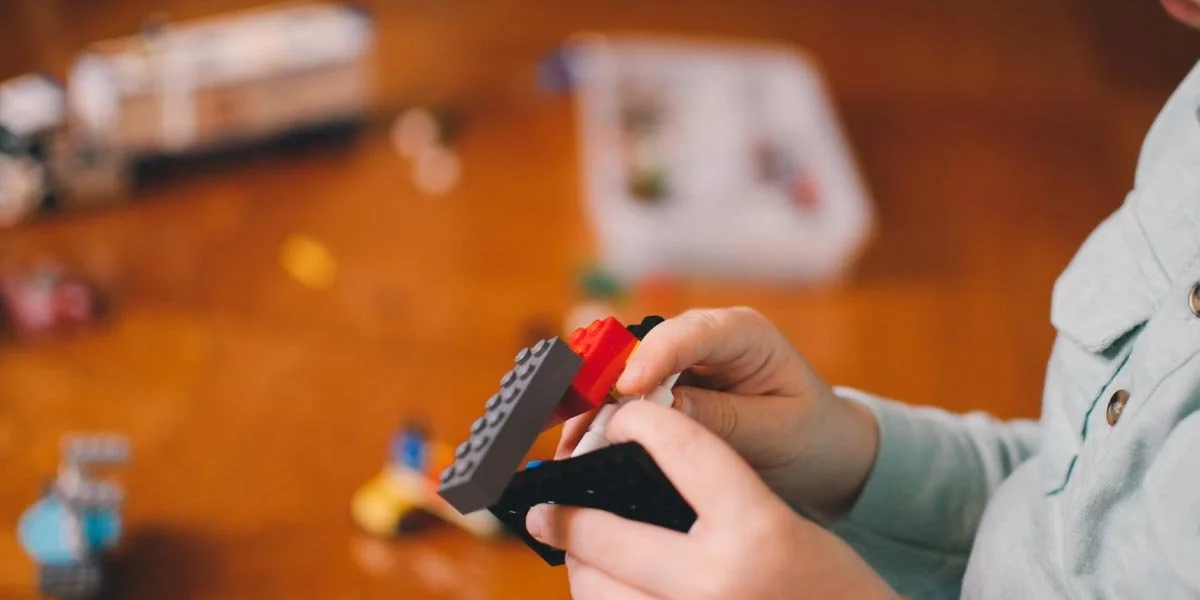
Fine motor skills are an important part of your child’s development. These skills involve the small muscles of the hands and fingers, and they play a key role in how children interact with the world around them.
From grasping a toy to using utensils or drawing, fine motor development builds gradually over time. Understanding how these skills typically progress can help you better support your child and recognize when something may need a closer look.
If you want a full overview of how all areas of development connect, you can start with our complete guide to baby development milestones.
What Are Fine Motor Skills?
Fine motor skills involve precise movements using the hands, fingers, and wrists.
These skills allow children to:
Grasp and hold objects
Transfer items between hands
Use tools like spoons, crayons, or scissors
Develop hand-eye coordination
Build independence in everyday tasks
Fine motor development works closely with other areas, especially movement and coordination.
How Fine Motor Skills Develop Over Time
Fine motor development begins early and evolves as children gain strength and control.
0–3 Months
Reflexive grasping
Hands mostly closed
Beginning to bring hands toward the mouth
Limited intentional movement
You can explore this early stage further in how early development begins in the first few months.
3–6 Months
Opening and closing hands more intentionally
Reaching for objects
Beginning to hold toys
Bringing objects to the mouth
6–9 Months
Transferring objects between hands
Raking grasp (using fingers to pull objects closer)
Increased coordination between both hands
Exploring objects through touch
At this stage, coordination between both sides of the body becomes more important. This connects closely with movement patterns like crawling and coordination.
9–12 Months
Developing the pincer grasp (thumb and index finger)
Picking up smaller objects
Improved hand control and precision
Increased exploration of objects
You can see how this stage fits into overall development in how coordination develops throughout infancy.
1–2 Years
Stacking objects
Using utensils with assistance
Turning pages in a book
Beginning to scribble
This stage connects closely with growing independence in toddlerhood. Learn more in how independence and coordination grow in toddler years.
2–3 Years
Improved control with crayons and drawing
Using utensils more independently
Building with blocks
Beginning to manipulate small objects more precisely
3–4 Years
Drawing simple shapes
Using scissors with guidance
Completing basic puzzles
Improved hand-eye coordination
You can explore this stage further in how skills continue to develop as children approach preschool age.
Why Fine Motor Skills Are Important
Fine motor skills support many aspects of daily life and development.
They are essential for:
Feeding and self-care
Writing and drawing
Playing with toys and interacting with objects
Developing independence
Learning and problem-solving
These skills continue to build as children grow and become more independent.
How Fine Motor and Movement Development Work Together
Fine motor skills don’t develop in isolation.
They are closely connected to:
Core strength
Shoulder stability
Coordination between both sides of the body
Overall movement patterns
For example:
Crawling helps build coordination between the left and right sides
Walking helps develop balance and stability
You can explore how these movement patterns develop in crawling milestones and early walking development.
Signs Parents May Want to Watch For
While variation is normal, some patterns may be worth paying closer attention to.
You may want to take a closer look if your child:
Has difficulty grasping or holding objects
Avoids using one hand consistently
Struggles to bring hands together
Has limited interest in manipulating objects
Shows delays in skills like stacking, drawing, or feeding
If you notice ongoing concerns, it can be helpful to review developmental red flags by age.
If these patterns continue over time, it may be helpful to explore how your child’s movement and coordination are developing. Our children’s chiropractic care supports overall coordination and functional development.
Supporting Fine Motor Development
There are simple ways to encourage these skills:
Provide a variety of objects to grasp and explore
Encourage reaching, holding, and transferring items
Offer opportunities for drawing and creative play
Allow your child to practice feeding themselves
Support activities that involve both hands
Consistent, hands-on experiences help build these skills over time.
A Skill That Builds Independence Over Time
Fine motor development plays a key role in helping children become more independent.
From holding a spoon to writing their name, these small movements lead to big milestones in everyday life.
Each stage builds on the last, gradually increasing control, coordination, and confidence.
Supporting Development at Every Stage
Fine motor skills are just one part of your child’s overall development, but they connect to many other areas, including movement, communication, and learning.
If you have questions about your child’s coordination, movement patterns, or development, our team at Cameron Family Chiropractic is here to help guide you.
Contact us today to learn more about how we support growing families through every stage of development.