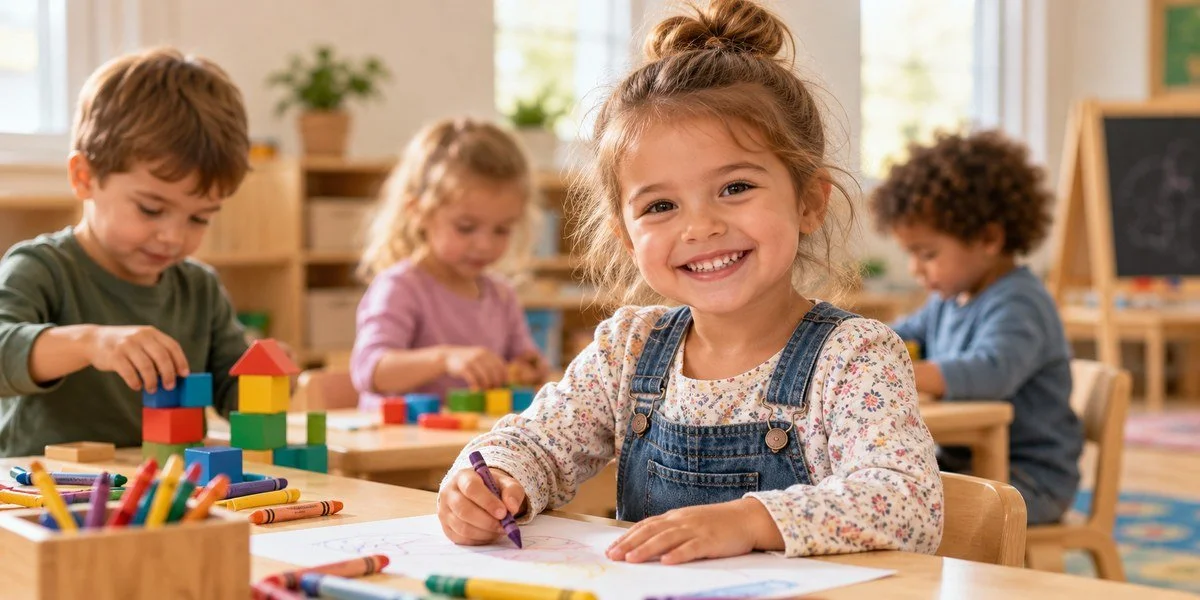
Starting preschool is an exciting milestone for both children and parents. It marks the beginning of a new stage of independence, learning, and social interaction.
While every child develops at their own pace, there are certain foundational skills that can help make the transition into preschool smoother and more positive.
Understanding preschool readiness is not about meeting strict requirements. It’s about recognizing whether your child is developing the skills that support confidence, participation, and adaptability in a new environment.
If you’d like a full picture of how development progresses across all stages, you can explore our complete guide to baby development milestones.
What Does Preschool Readiness Mean?
Preschool readiness is about more than academics.
It includes a combination of:
Social skills
Emotional development
Communication
Movement and coordination
Basic independence
These areas work together to help children feel comfortable in a structured group setting.
Social Skills for Preschool
Social development plays a big role in how children interact with peers and teachers.
Key skills include:
Playing alongside or with other children
Taking turns and sharing
Responding to simple instructions
Beginning to understand boundaries
These skills begin developing early and continue to build through toddlerhood. You can explore this progression in how development builds through the toddler years.
Emotional Readiness
Preschool introduces new routines, environments, and expectations.
Helpful emotional skills include:
Tolerating short separations from caregivers
Managing frustration with support
Adapting to new situations
Beginning to follow routines
Emotional development is gradual and continues to evolve over time.
Communication Skills
Children do not need to speak perfectly to start preschool, but communication helps them participate more comfortably.
Helpful communication skills include:
Expressing basic needs and wants
Understanding simple instructions
Using words, gestures, or both to communicate
Beginning to form short sentences
You can learn more about how communication develops over time in speech milestones from first words to sentences.
Movement and Coordination Skills
Movement plays a bigger role in preschool readiness than many parents expect.
Children benefit from:
Walking and moving confidently
Climbing, balancing, and exploring
Using both hands together during play
Developing coordination and body awareness
These skills build from earlier stages of development. You can explore how movement progresses in walking milestones and fine motor development.
Independence Skills
Preschool encourages children to begin doing simple tasks on their own.
Helpful independence skills include:
Feeding themselves
Attempting to dress or undress
Washing hands with guidance
Following simple routines
These skills help children feel more confident and capable in a group setting.
Confidence in movement and coordination can play a big role in how children adapt to new environments. Our pediatric chiropractic care focuses on supporting these foundational skills as children grow.
What If My Child Isn’t “Ready”?
It’s important to remember that readiness is not all-or-nothing.
Children develop at different rates, and many skills continue to grow after starting preschool.
Rather than focusing on perfection, it can be helpful to look at overall development and progression.
If you have concerns about how your child is developing, you can review developmental red flags by age to better understand what to watch for.
How Preschool Builds on Earlier Development
Preschool readiness doesn’t happen suddenly. It builds on the skills developed in earlier stages.
For example:
Early movement supports coordination and confidence
Communication supports social interaction
Emotional development supports transitions and routines
You can explore how these foundations begin in how early development begins in infancy and continue through how development progresses into the preschool stage.
Supporting Your Child’s Readiness
There are simple ways to support your child as they prepare for preschool:
Encourage play with other children
Practice simple routines at home
Read and talk together regularly
Allow opportunities for independent tasks
Support movement and active play
Small, consistent experiences help build confidence over time.
A Natural Transition Into the Next Stage
Preschool is not about being perfectly prepared. It’s about taking the next step in development.
With the right support, children continue to grow, adapt, and gain confidence in new environments.
Every child’s path will look a little different, but each stage builds toward greater independence and learning.
Supporting Development at Every Stage
Preschool readiness is just one part of your child’s overall development, connecting movement, communication, and emotional growth.
If you have questions about your child’s development or want guidance on preparing for preschool, our team at Cameron Family Chiropractic is here to help.
Contact us today to learn more about how we support families through every stage of development.